Coolant Chemical Containers & Packaging

Machines are only as good as our ability to regulate their temperature. At SolvChem® Custom Packaging Division, we offer the highest-quality antifreezes and coolant chemicals to maximize performance. Customers deciding where to buy propylene glycol and other chemicals can count on us to provide antifreeze storage containers, blending services and more. Get a better understanding of the coolants and antifreezes below, and find out why SolvChem® Custom Packaging Division is your last stop for all your chemical needs.
Quality Chemicals for Peak Performance
To understand what propylene glycol suppliers do, you should understand the chemicals themselves. A coolant is a fluid that prevents overheating of a device. By flowing through or around the device, the coolant transfers the heat produced by that device to other devices that use or dissipate it. The range of coolants is expansive and outlined in more detail below.
Antifreeze, by comparison, is a chemical additive that effectively lowers the freezing point of water-based liquids to prevent rigid enclosures from bursting. It’s usually made by mixing distilled water with an alcohol such as methanol, ethylene glycol or propylene glycol. It is most notably used for automotive applications.
Coolant Chemical Composition and Additives
Glycol-based coolants commonly combine a glycol ingredient with water and an additive package. The glycol helps lower the freezing point of the mixture, while water helps carry heat away from equipment. The balance of these ingredients depends on the application and the performance requirements of the cooling system.
Corrosion inhibitors are another important part of many coolant formulations. They help protect metal components against corrosion inside the system. Some formulations also contain pH buffers to manage acidity, antifoaming agents to limit foam formation, or additives that reduce scale buildup. Choosing the ingredients requires attention to the equipment, materials, and operating conditions.
Water As a Coolant
Unlike antifreeze, coolants vary considerably. Water, the most common coolant, has high heat capacity and low cost, making it a good heat-transfer medium. Water is generally used with additives, such as corrosion inhibitors and antifreeze. Very pure deionized water, with its relatively low electrical conductivity, is used to cool some electrical equipment such as high-power transmitters and high-power vacuum tubes. Heavy water — a neutron moderator used in some nuclear reactors — functions secondarily as the coolant. Light water reactors, both boiling water and pressurized water reactors, use ordinary (light) water.
Ethylene Glycol vs. Propylene Glycol in Coolants
Ethylene glycol and propylene glycol are two common bases for liquid coolant formulations. Both can be mixed with water to lower its freezing point and support temperature control. They differ in physical properties and toxicity, so the intended application is an important part of selecting a base fluid.
Ethylene glycol is widely used in engine coolant products, but it poses a serious health hazard if swallowed. Propylene glycol has lower acute toxicity and may be considered for applications with different exposure concerns. That doesn’t make every propylene glycol coolant suitable for food-related use. Additives, product grade, and application requirements still need to be evaluated. The concentration of either glycol also influences freeze protection, viscosity, and heat-transfer performance.
Other Liquid Coolants
Polyalkylene glycol (PAG) — which resists oxidation — is used as a high-temperature, thermally stable heat transfer fluid. Cutting fluid is a coolant that is also used as a lubricant for metal-shaping machine tools. Oils that can be used as coolants for specific applications include mineral oils, castor oil, silicone oils and fluorocarbon oils.
Other Types of Coolants
Fuels are commonly used as engine coolants. For aviation engines, coolants include kerosene and other jet fuels. Additional coolants with specific applications are Freon and refrigerant — these are used to reach low temperatures, such as in air conditioners and refrigerators.
Automotive and Industrial Coolant Applications
Automotive and heavy-duty engines depend on coolant formulations suited to their materials, operating temperatures, and manufacturer requirements. Corrosion protection is especially important because cooling systems can contain several different metals. A coolant intended for one engine or fleet may not meet the specifications of another.
Industrial applications can have different needs. Machinery, HVAC systems, and process cooling equipment may use glycol-based heat-transfer fluids for temperature management and freeze protection. These systems can require different concentrations, inhibitor packages, or compatibility characteristics than automotive engines. Buyers should identify the equipment and applicable specifications before choosing a coolant formulation or requesting custom blending.
Where Can I Buy Propylene Glycol and Other Chemicals?
For many industrial customers, the answer is simple: SolvChem® Custom Packaging Division is one of the most reliable propylene glycol distributors in the business. From formulating and custom blending services to contract coolant packaging, filling, storage and delivery, SolvChem® Custom Packaging Division partners with you for end-to-end solutions. Our emphasis on quality and customer service is unmatched.
Custom Coolant Blending and Contract Filling
SolvChem® Custom Packaging Division provides custom chemical blending and contract filling services for manufacturers and distributors. For a coolant project, the starting point is the customer’s product requirements, including the intended use, specified ingredients, and finished packaging format. These details help establish the production requirements.
Customers may need a concentrated glycol blend or a ready-to-use product prepared to their approved specifications. The required water content, additive package, and packaging quantities can affect production planning. Sharing these requirements early helps the team assess the scope of a project and identify technical questions before filling begins.
SolvChem® also offers laboratory analysis and chemical processing capabilities that can support work involving customer specifications. Blending and filling can be coordinated within a broader packaging program, reducing the number of separate vendors a customer needs to manage. Manufacturers and distributors can discuss product requirements, quantities, and packaging plans with the team to determine the services appropriate for their coolant project.
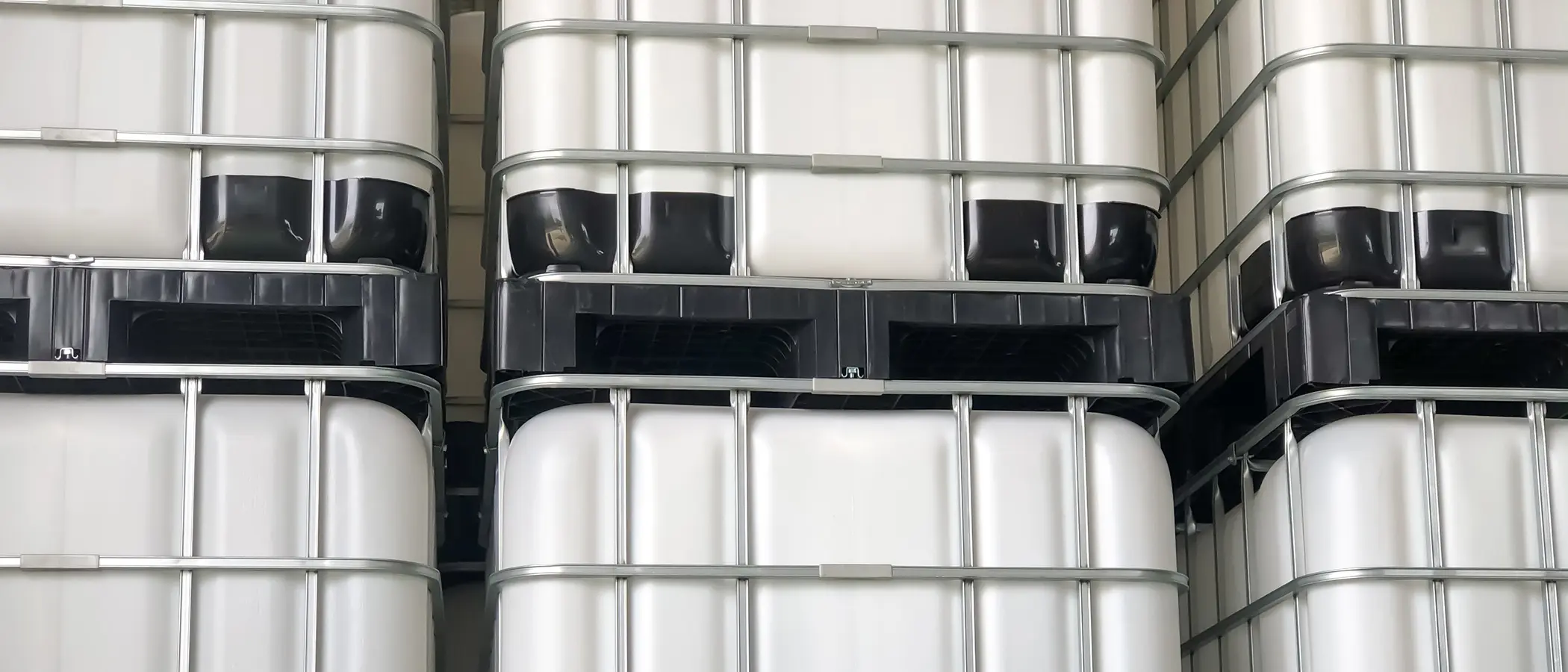
The chemical experts at SolvChem® Custom Packaging Division perform custom blending, coolant filling and coolant storage. We package coolants in the containers and quantities you require — from small and large bottles and cans, up to coolant drums and totes. We also provide safe, secure warehousing of your coolants until you need them — at which time we arrange for timely delivery of your coolant storage containers to your plant from our convenient Port of Houston vicinity. With our comprehensive services and high-quality coolants and antifreeze products, we can ensure you have exactly what you need, whatever the application.
Coolant Containers and Packaging Options
Coolant packaging needs depend on how the finished chemical will be stored, handled, shipped, and used. SolvChem® Custom Packaging Division offers multiple filling formats, including bottles, cans, pails, drums, and totes. Customers can discuss the required package size and production volume when planning a coolant container order.
Smaller packages may be appropriate for finished products intended for individual use or resale. Larger formats, including a coolant drum or tote, can support industrial users and customers handling greater quantities. The choice of an antifreeze storage container should also account for available storage space, handling equipment, and the way a product will move through the distribution chain.
Container materials, closures, and labeling also need to be suitable for the specific formulation and intended handling conditions. A coolant storage container that works for one product should not automatically be assumed suitable for every glycol blend or additive package. SolvChem® can work with customers to select packaging formats based on their product specifications and filling needs. Reviewing these details before production helps establish the packaging requirements.
Private-Label Coolant Packaging Services
Manufacturers and distributors selling coolant under their own brands may need packaging that meets specific labeling and presentation requirements. SolvChem® Custom Packaging Division offers private-label and contract packaging services, including support for package and label design.
A private-label project may involve customer-supplied product specifications, approved artwork, selected container sizes, and planned order quantities. These details influence how the finished product is filled, labeled, and prepared for distribution. Packaging requirements can also differ for retail shelves, commercial customers, and industrial users.
Customers can discuss private-label packaging alongside blending and contract filling services. Coordinating these steps within one project helps clarify the requirements for the finished coolant product.
Coolant Quality Control, Storage, and Distribution
Quality expectations should be established before coolant production begins. SolvChem® Custom Packaging Division offers chemical analysis and quality control capabilities, and customers can discuss the testing or documentation required by their product specifications. Any coolant-specific test methods or reporting requirements should be agreed upon for the individual project.
After packaging, inventory and delivery arrangements become part of the plan. SolvChem® provides chemical warehousing and logistics services, allowing customers to discuss storage needs, shipment quantities, and delivery schedules together. Regulatory and handling requirements depend on the chemical formulation and shipment, so these details should also be reviewed during project planning.
Frequently Asked Questions About Coolant Chemicals
Can SolvChem Blend Coolant Chemicals to Customer Specifications?
SolvChem® offers custom blending services. Customers can share their formulation requirements and production quantities for project review.
What Types of Coolant Containers Are Available?
Packaging options include bottles, cans, pails, drums, and totes. Availability and suitability depend on the project.
Does SolvChem Offer Private-Label Coolant Packaging?
Yes. Private-label and contract packaging capabilities include coordination of packaging and label requirements.
Can SolvChem Store and Distribute Packaged Coolant Products?
SolvChem® offers chemical warehousing and logistics services. Customers can coordinate storage needs and delivery schedules with the SolvChem® team.
To learn more about coolants and antifreeze, and to find out what SolvChem® Custom Packaging Division can do for you, contact us today.
High-Quality Custom Chemical Solutions
Contact us for reliable, custom chemical packaging and blending. Our team ensures products are catered to your exact specifications, with on-time delivery, every time.